
TikTok, launched globally in 2018, allows users to create and share short-format videos, usually under three minutes, and offers an interactive space to connect with a diverse global community. Although TikTok is officially open to users aged 13 and above, many parents are still navigating its presence in their children’s lives. Is it just a distraction, or could TikTok actually help your child overcome some common struggles they face in today’s fast-paced, digital-first world? By exploring its tools, trends, and features, you’ll find that this app might just be more than meets the eye.
1. Struggle: Feeling creatively stuck
Solution: TikTok sparks creativity with easy-to-use tools
For kids who struggle to express themselves, TikTok offers a simple way to dive into creativity. The app allows users to combine short video clips, add background music, and even synchronize transitions automatically to a chosen song. These tools make video creation accessible to everyone, even those with no prior editing experience.
Whether it’s mastering creative transitions, trying photography tricks, or exploring new forms of self-expression like drawing or playing instruments, TikTok can be an excellent platform for kids looking to break through creative blocks while learning valuable skills. However, creativity thrives most when kids actively and critically engage with content and look for creative ways to use this inspiration rather than just passively consuming it.
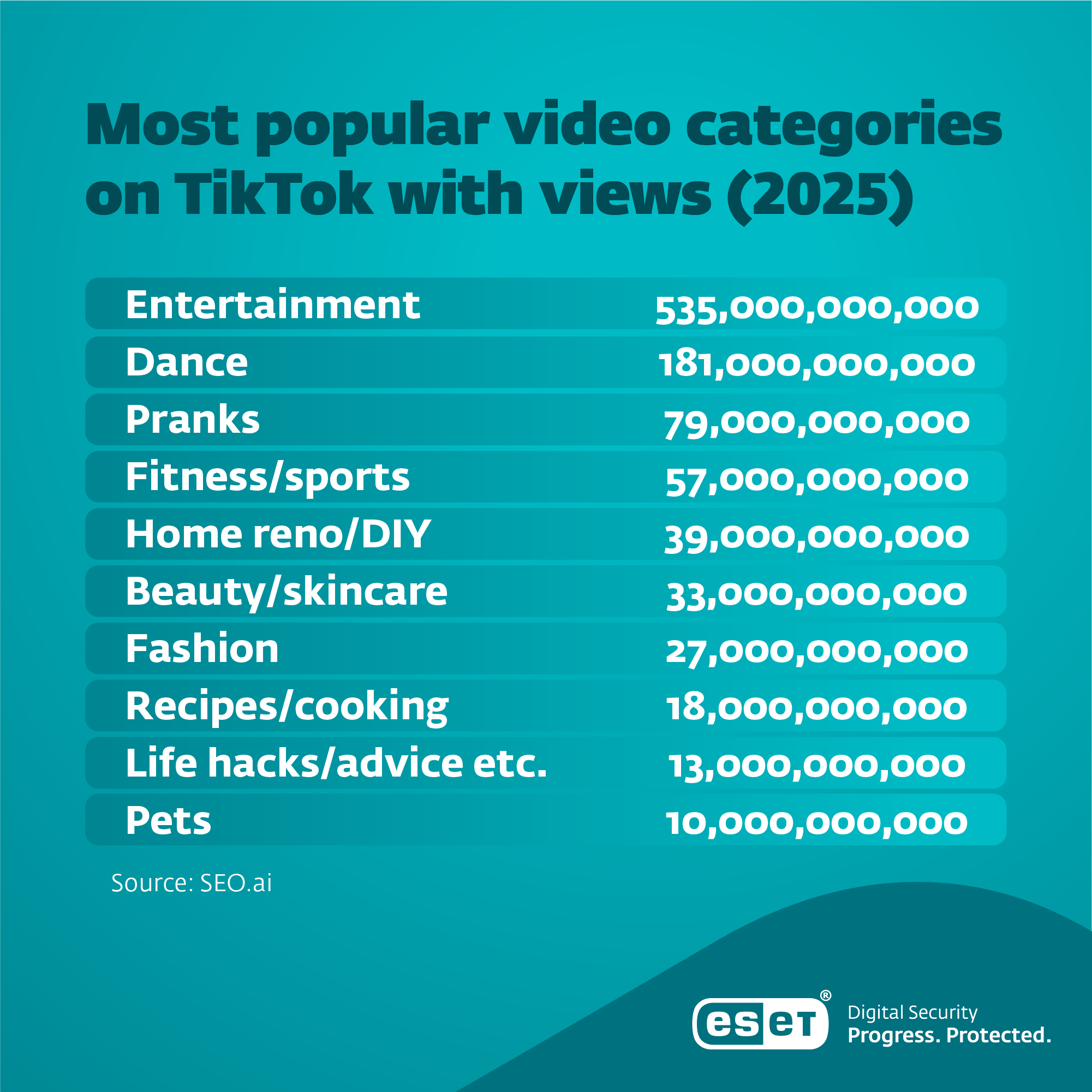
A note on safety: What parents should know
While this article focuses mainly on the positive sides of TikTok, it’s equally important to stay aware of the risks the app can bring — especially when it comes to data privacy and dangerous challenges.
TikTok, like many other social platforms, collects large amounts of user data – from viewing habits to device information and even approximate location. For younger users, this raises important questions around privacy and safety. Luckily, there are a few simple steps parents and kids can take to protect themselves:
- Set the account to private – This ensures that only approved followers can see your child’s content.
- Limit who can comment or message – You can restrict interactions in TikTok’s privacy settings to “Friends” or turn them off entirely.
- Turn off location tracking – This can usually be done in both TikTok settings and the phone’s general privacy settings.
- Avoid posting personal details – Encourage your child not to share their school, location, birthday, or daily routine in videos or bios.
- Regularly check activity and screen time – TikTok has a Family Pairing feature that allows parents to manage screen time and content restrictions.
These steps can go a long way in keeping your child safer online – but data protection is only one part of the picture. It’s also critical to stay alert to dangerous trends that sometimes go viral on TikTok. While most content is harmless or even beneficial, some challenges can pose real threats to health and safety.
One of the most troubling examples in recent years was the Paracetamol Challenge, which encouraged young users to take dangerous doses of paracetamol on camera. The challenge spread quickly and resulted in multiple hospitalizations in different countries. Doctors warned that even a slight overdose of paracetamol can cause serious liver damage or even be life-threatening, especially for children and teenagers.
This incident is a stark reminder that while TikTok can offer many benefits — from creativity to connection — it also requires active guidance and ongoing conversations between parents and children. Talk regularly with your child about what they’re watching, what trends they’ve seen, and how they decide what’s safe to try. By staying informed, setting healthy boundaries, and staying involved in your child’s digital life, you can help them enjoy the app’s benefits while minimizing the risks.
Would you like to know more about data security on TikTok? Read this article.
2. Struggle: Searching for reliable information in an engaging way
Solution: TikTok makes learning quick and fun
Finding answers to school-related or everyday questions can sometimes feel overwhelming for kids. TikTok helps by delivering educational content in an engaging, bite-sized format. From quick recipes to math hacks, the app is filled with creators who simplify complex ideas into fun, watchable videos. At the same time, the rise of AI-powered tools like ChatGPT has introduced an alternative way to access knowledge. While TikTok thrives on visual and interactive learning, AI chatbots provide instant, text-based explanations. Still, both sources need to be taken with a grain of salt – and all information accessed there should be verified.
Searching for educational videos on TikTok can enhance the app’s value for your child over time. According to a child psychologist Jarmila Tomková, parents can take an active role by exploring educational content alongside their children. This creates opportunities to discuss the videos they watch, understand their preferences, and guide their interests. Tomková explains, “In the process of getting to know educational profiles, you not only learn and spend time together with your child, but you also ‘program’ the app and tell TikTok what it should offer to your children.”
How so? TikTok’s recommender system largely curates content for its users through the “For You Page,” a personalized feed showcasing trending and recommended videos. By intentionally searching for educational topics with your child, you can steer the app’s recommendations away from purely entertaining content toward more enriching, school-related videos.
A 2024 study conducted by German researcher Zinaida Adelhardt reveals that TikTok’s potential as a learning tool is seen in a surprisingly positive light by teenagers. The study surveyed 34 students from various grammar schools in Germany about how they use TikTok and whether they see educational value in the platform. Interestingly, those who use TikTok reported consuming content relevant to school subjects, including learning techniques, scientific explanations, mathematical tips, and fascinating facts about astronomy and biology. Students who found TikTok helpful for learning identified two key advantages: the platform’s quick and easy access to information and its ability to present complex topics in short, digestible formats. However, the teens also acknowledged significant drawbacks. The platform’s highly distracting nature and the lack of credible sources for some educational content were highlighted as major concerns. Despite these challenges, 44% of the students believed TikTok could be used for both education and entertainment, demonstrating that the app has the potential to bridge fun and functionality for young learners.TikTok as a learning tool? Kids say it’s possible
3. Struggle: Feeling isolated
Solution: TikTok helps build communities
Social isolation can be tough for kids, especially those who feel different because of their identity or interests. TikTok helps them discover communities of people who share similar passions. Whether it’s fan groups for their favorite hobbies or spaces for LGBTQ+ youth and children with disabilities, TikTok shows kids they’re not alone.
Additionally, the app encourages confidence-building. When kids share creative content and receive positive feedback, it can help them overcome self-doubt and open up to making new friends both online and offline.
At the same time, as with any platform that uses recommender systems, it’s good to encourage a balanced digital experience. While TikTok connects kids with like-minded peers, its personalized content feed can sometimes limit exposure to diverse perspectives. Encouraging children to explore different types of content and engage critically with what they see can help them make the most of their online experience while avoiding potential content bubbles.
Did you know?
At this moment, TikTok has over 1 billion monthly active users globally.
4. Struggle: Limited exposure to diverse perspectives
Solution: TikTok can broaden horizons
Kids often have limited access to people from different cultures, backgrounds, or experiences. TikTok can change that by exposing them to a wide array of creators from around the world. For instance, popular senior influencers share stories about historical events, but also just about their views and personal life. Other influencers may teach about cultural traditions, racial issues, and social movements.
A notable example was Holocaust survivor Lily Ebert, who used TikTok to share her experiences and educate younger audiences about history. By introducing your child to such creators, you can inspire conversations about empathy and curiosity, helping them develop a broader understanding of the world.
Setting healthy limits
In the past years, the average daily time spent on TikTok has skyrocketed, jumping from 27 minutes in 2019 to nearly an hour (58 minutes) by 2024. While TikTok offers opportunities for creativity, learning, and connection, it’s a reminder that too much of a good thing can backfire. Excessive screen time on social media can lead to negative effects on mental and physical well-being. To make the most of TikTok’s benefits, set clear boundaries for your child’s usage and encourage a conscious use of the app rather than mindless scrolling.
5. Struggle: Staying physically and mentally active
Solution: TikTok encourages Fun and well-being
Keeping kids physically active can be a challenge, but TikTok’s viral dance trends often get them moving without them even realizing it. Ideally, you should motivate children to balance their online activity with an offline one and find a sport that they enjoy. Still, TikTok dance challenges can potentially motivate children to learn new routines, stay active, and develop coordination in an enjoyable way. On the mental health side, TikTok provides plenty of calming and satisfying content, from ASMR videos to serene art tutorials. While this can help kids relax, it’s important to ensure they don’t fall into the trap of endless scrolling. Parents should set limits to promote a healthy balance between screen time and offline activities.
As kids explore the online world through apps like TikTok, it’s helpful to have a security solution that supports the whole family. ESET HOME Security Ultimate offers exactly that. With features like website blocking by category, age-based user restrictions, and detailed activity logs, parents can feel more confident about what their kids are accessing online. Explore other useful features of this all-in-one solution here.Extra layer of protection for your family’s digital life
Final thoughts: Guiding kids in a digital world
TikTok is one of the most influential platforms of this generation – and for many teenagers, it’s a daily part of life. As we've seen, it can offer surprising benefits: helping kids get creative, feel seen, learn new things, and connect with others. But just like any tool, its impact depends on how it’s used.
The key isn’t to discourage children from using TikTok or ignore it, but to approach it with curiosity, intention, and care. Ask your child what they’re watching. Explore their favorite creators with them. Talk about what’s inspiring – and what feels off. In the end, thriving in the digital world isn’t about keeping kids away from every risk – it’s about giving them the tools, support, and guidance they need to navigate it with confidence.